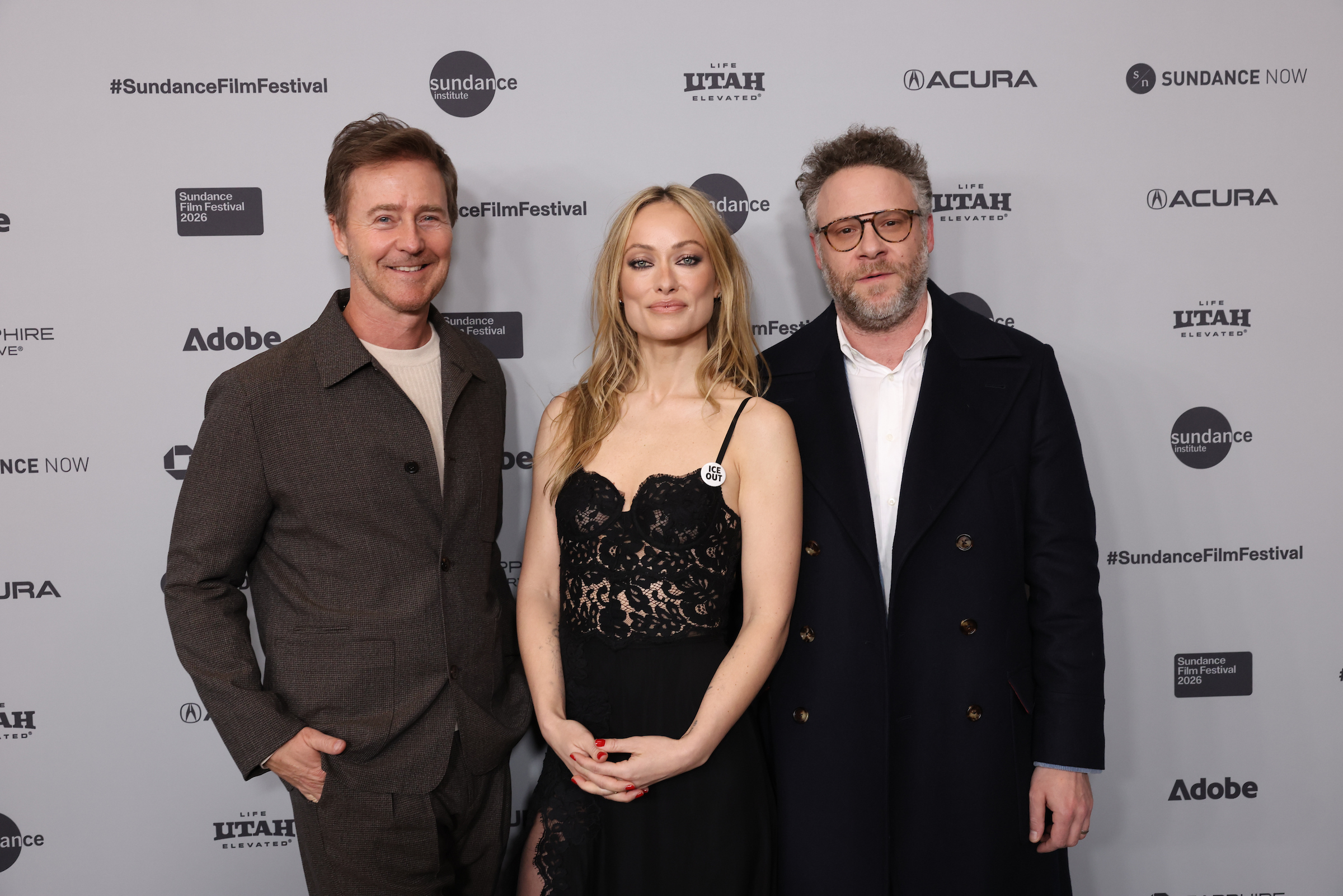
The air in Park City carries a specific weight this year, a mixture of high-altitude chill and the heavy realization that an era is coming to a close. As the 2026 Sundance Film Festival unfolds, it serves as both a vibrant showcase of independent cinema and a poignant farewell to the place that defined it.
This year marks the final time the festival will call the snowy slopes of Utah its primary home before moving to Boulder, Colorado, in 2027. The transition has been made even more somber by the recent passing of the festival’s founder, Robert Redford, whose vision transformed this quiet mountain town into the epicenter of the global film industry. Despite the bittersweet atmosphere, the 2026 lineup has proven that independent film remains as provocative, weird and essential as ever.
A Legacy of Independence
The festival opened with a series of legacy screenings designed to honor Redford’s impact. Classic titles like “Little Miss Sunshine” and “Mysterious Skin” returned to the screens where they first found life, drawing crowds of longtime festival-goers and new fans alike.
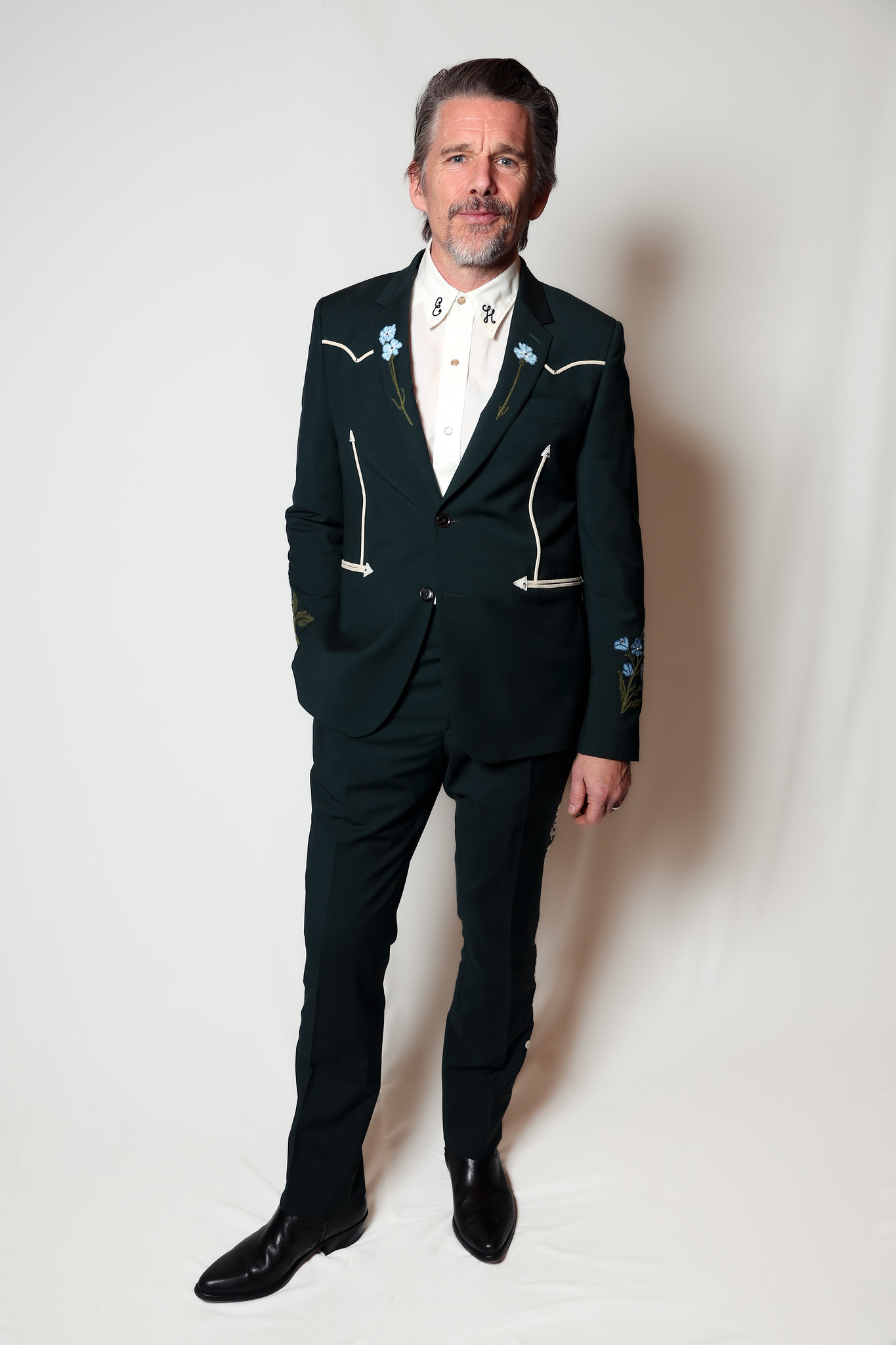
Ethan Hawke attends Celebrating Sundance Institute: A Tribute to Founder Robert Redford Event at the 2026 Sundance Film Festival. © 2026 Sundance Institute | photo by Chelsea Lauren/Shutterstock
Filmmaker Gregg Araki, who has premiered 11 films at Sundance, led a tearful tribute to Redford during the opening weekend.
“Robert Redford created a space for the outsiders,” Araki told the audience at the Eccles Theater. “He gave us a mountain to climb when the rest of the world wouldn’t give us a sidewalk.”
The sentiment of looking backward while moving forward permeates the 2026 program. The “Park City Legacy” program features archival screenings and 4K restorations, including a special presentation of “Cronos” with director Guillermo del Toro in attendance. It is a reminder that while the venue may change, the spirit of discovery that Redford championed remains the festival’s true north.
Satire and Star Power
While legacy took center stage, the 2026 premieres have been dominated by sharp, biting satires and high-concept dramas. Leading the pack is “The Gallerist,” directed by Cathy Yan. The film stars Natalie Portman as Polina Polinski, a desperate art dealer in Miami who becomes entangled in a bizarre scheme involving a dead body.
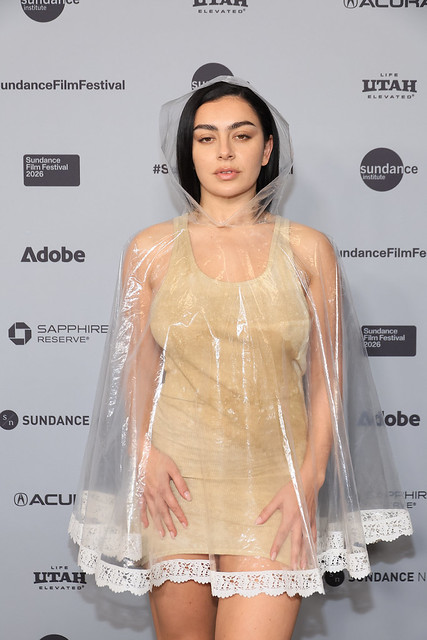
Charli xcx attends the premiere of The Gallerist by Cathy Yan, an official selection of the 2026 Sundance Film Festival. © 2026 Sundance Institute | photo by Jemal Countess
The film features an ensemble cast including Jenna Ortega, Da’Vine Joy Randolph and Zach Galifianakis. Critics have praised Portman’s performance as a career high, blending the neurotic intensity of her earlier roles with a newfound comedic edge. The film’s scathing look at the Art Basel scene and the commodification of life itself made it the most talked-about acquisition title of the first weekend.
Another major highlight came from Olivia Wilde, whose third directorial effort, “The Invite,” debuted to a standing ovation. Written by Will McCormack and Rashida Jones, the film stars Seth Rogen and Wilde herself as a couple on the brink of divorce who host a dinner party for their upstairs neighbors. What starts as a cringe-inducing comedy of manners quickly descends into a devastating exploration of marital rot. Wilde’s ability to balance tone between hilarious and heartbreaking has solidified her status as a premiere directorial voice.
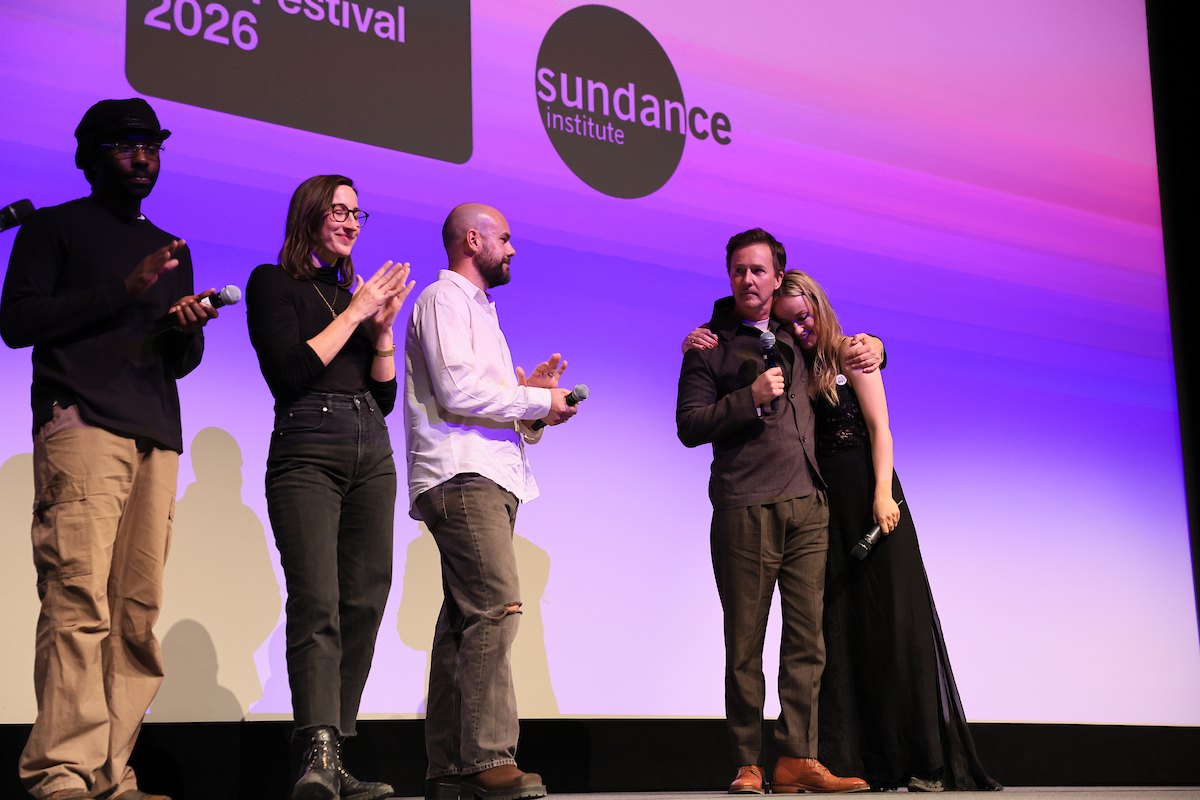
Devonté Hynes, Jade Healy, Adam Newport-Berra, Edward Norton and Olivia Wilde attend the Q&A for The Invite by Olivia Wilde, an official selection of the 2026 Sundance Film Festival. :copyright: 2026 Sundance Institute | photo by Jemal Countess
Documentaries and the AI Frontier
Sundance has always been the premier destination for nonfiction storytelling, and the 2026 documentary slate is particularly robust. This year, the focus shifted toward the existential threats and personal triumphs of the modern age.
”The AI Doc: Or How I Became an Apocaloptimist,” directed by Daniel Roher and Charlie Tyrell, became an instant sensation. The film follows a father-to-be as he navigates the rapidly evolving landscape of artificial intelligence. It manages to be both a terrifying look at the potential loss of human agency and a hopeful meditation on creativity. In a festival where tech sponsors and generative AI tools are more visible than ever, the film felt like a necessary piece of internal criticism.
On a more personal note, “Knife: The Attempted Murder of Salman Rushdie” offered a harrowing and deeply moving profile of the author’s survival following the 2022 attack. Director Alex Gibney utilizes never-before-seen footage and intimate interviews to explore the cost of free speech.
Sports fans were also treated to “The Brittney Griner Story,” a comprehensive look at the basketball star’s career and her high-profile detention in Russia. The film moves beyond the headlines to provide a portrait of resilience that left many audience members in tears.
Breakouts and Midnight Mayhem
Beyond the big names, the 2026 festival has been a launchpad for several “breakout” talents. In the U.S. Dramatic Competition, Beth de Araújo’s “Josephine” has emerged as a frontrunner for the Grand Jury Prize. The film tells the story of an 8-year-old girl who witnesses a crime in San Francisco’s Golden Gate Park. Its haunting cinematography and the lead performance by newcomer Mason Reeves have earned comparisons to the debut of “The Florida Project.”
The Midnight section, a fan favorite for those willing to brave the late-night shuttles and sub-zero temperatures, did not disappoint. “Buddy,” directed by Casper Kelly, is a surreal horror-comedy that defies easy categorization. Without giving away its many twists, the film involves a sentient piece of furniture and a suburban nightmare that left audiences reeling.
Another standout in the genre space is “Leviticus,” an Australian queer horror film from director Adrian Chiarella. It uses the visual language of supernatural thrillers to explore the trauma of religious conversion therapy. The film’s use of negative space and its oppressive atmosphere make it one of the most stylistically confident entries in the festival.
The Road to Boulder
As the festival enters its final days, the conversation on Main Street often turns to the future. The decision to move to Boulder was driven by a need for more accessible infrastructure and a larger venue capacity, but for many, the identity of Sundance is inextricably linked to the steep hills and cozy theaters of Park City.
The 2026 edition has felt like a long, celebratory wake. The pop-up lounges and corporate activations are still there, but so are the quiet moments of reflection at the top of the Town Lift. Whether it is a restored print of “Downhill Racer” or a premiere of a boundary-pushing documentary, the films of 2026 have served as a testament to the community Redford built.
Cookie Queens by Alysa Nahmias, an official selection of the 2026 Sundance Film Festival. © 2026 Sundance Institute | photo by Breanna Downs.
The move to Colorado will undoubtedly bring a different energy. There will be more space, perhaps more accessibility and a different mountain backdrop. But for ten days in January 2026, the world’s most important independent film festival took one last bow in the place where it all began. The sun is setting on Park City, but the lens remains wide open.