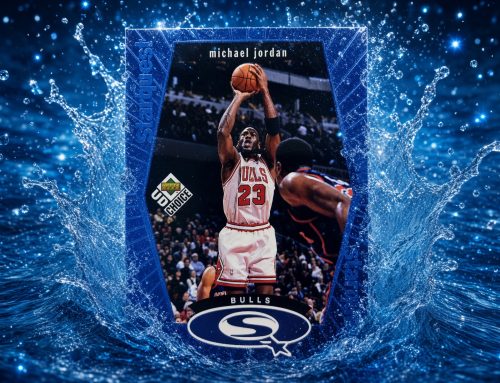
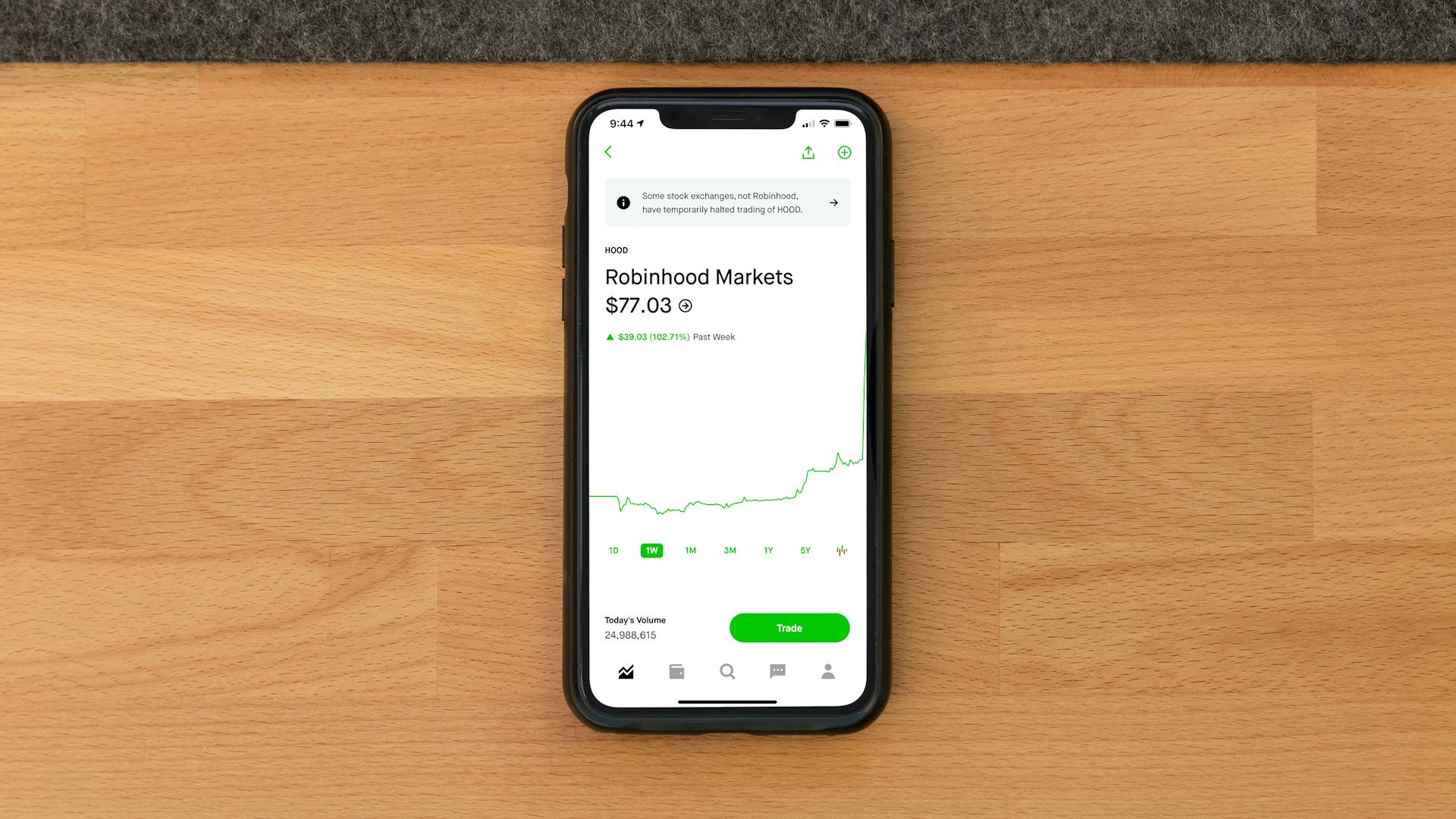
For decades, the path to wealth was paved with blue-chip stocks and mutual funds. However, the last five years have seen a tectonic shift. What was once dismissed as a “hobby” has matured into a sophisticated alternative asset class. In 2026, sports cards are no longer just cardboard; they are “player-backed securities.”
1. Market Cap: The David vs. Goliath Comparison
The scale of these markets is vastly different, which dictates their volatility and liquidity.
Stock Market: The total market capitalization of the U.S. stock market is currently measured in the tens of trillions. Major indices like the S&P 500 represent the backbone of global commerce.
Sports Cards: According to SkyQuest Technology, the global sports card market is valued at approximately $11.8 billion in 2025 and is projected to hit $28.47 billion by 2033.
Analysis: While the stock market offers massive liquidity (you can sell $1 million in Apple stock in seconds), the sports card market is “thinner.” This lower market cap means individual “whales” can move prices, but it also allows for the asymmetric gains that attract “Crescent Vale” style investors.
2. ROI: Benchmarking the Performance
When we look at the numbers, the “fun” investment often outpaces the “safe” one—if you know what you’re doing.
The Average Return on Investment (ROI)
Asset Class 10-Year Average Annual Return 2026 Outlook
- S&P 500 ~10% – 14.8% Steady, inflation-hedged growth.
- Blue Chip Cards ~18% – 19% Highly dependent on grading and scarcity.
According to Fidelity Investments, the S&P 500 has averaged a 14.8% return over the last decade. Conversely, data from Card Ladder suggests that high-end “Blue Chip” cards (think Michael Jordan 1986 Fleer PSA 10) have seen CAGRs (Compound Annual Growth Rates) exceeding 18%, often outpacing the broader equity market.
3. The Investment Iceberg: A Deep Dive
Both markets have a “visible” surface and a deep, complex “sub-surface.”
The Stock Market Iceberg
The Tip (Visible): Buying shares of Apple, Tesla, or Amazon on Robinhood. These are liquid, transparent, and easy to track.
The Deep (Hidden): P/E ratios, EBITDA, quarterly earnings calls, and macro-economic factors like the Federal Reserve’s interest rate hikes.
The Sports Card Iceberg
The Tip (Visible): Buying a “Hot Player” after a big game.
The Deep (Hidden): Population Reports (Pop Counts), grading standards (PSA vs. BGS vs. SGC), print runs, and “trimming” scandals. Understanding the difference between a “Base” card and a “Silver Prizm” is the hobby equivalent of understanding a company’s debt-to-equity ratio.
4. Hot vs. Cold: Where is the Money Moving in April 2026?
To win in either market, you must identify momentum before the crowd.
The Stock Market (April 2026 Trends)
Hot Stocks: According to tastylive, sectors like Semiconductors (Intel up 38.7% YTD) and Materials (Alcoa up 33.9%) are leading the charge.
Cold Stocks: Banking and traditional finance have struggled, with JPMorgan Chase (JPM) down over 8% YTD.
The Sports Card Market (April 2026 Trends)
Hot Players: The “Next Gen” is taking over. Athlon Sports identifies Ethan Salas (MLB) and Tre Johnson (NBA) as high-upside plays.
Cold Players: Former “hype” players who haven’t transitioned to “Blue Chip” status. As the 2026 playoffs loom, older veterans without recent championship rings are seeing price corrections.
5. Fees: The Silent ROI Killer
Investing isn’t free. Understanding your “entry” and “exit” costs is vital.
Stocks: In 2026, most brokerages offer $0 commissions. Your main costs are “expense ratios” on ETFs (usually 0.03% to 0.10%) and taxes on capital gains.
Sports Cards: The fees are significantly higher.
Selling: eBay takes ~13.25%; auction houses take 15-20% (Buyer’s Premium).
Grading: Sending a card to PSA can cost $19 to $500+ per card, depending on the value and turnaround time.
Shipping/Insurance: Costs can eat 2-5% of your profit.
6. Finding Diamonds in the Rough
How do you find a 10x return? It requires “The Grind.”
In Stocks:
Look for Value Investing. Find companies with a low Price-to-Earnings (P/E) ratio but strong cash flow. Look for “unloved” sectors that are about to be disrupted by AI or green energy.
In Sports Cards:
The “Injury Buy”: Buy star players when they are sidelined. Their market often dips 20-30%, creating a “buy low” window before their comeback.
Grading Arbitrage: Buying a “Raw” card that looks like a PSA 10, paying for the grading, and selling the slabbed version for a 3x premium.
Prospecting: Following high school and college ball to identify talent before they have a Prizm Rookie card.
7. Summary & Final Verdict
The most effective strategy is the 80/20 Rule:
- 80% Stocks: Keep the bulk of your wealth in diversified equities to ensure you capture the steady growth of the economy.
- 20% Alternative Assets: Use your expertise in the sports card market to find undervalued “diamonds.” This allows you to “Crescent Vale” your way into higher returns without risking your entire retirement on a single player’s ACL health.
Why? Because stocks provide the safety net that allows you to take the calculated risks required to win big in the collectibles hobby.
The Crescent Vale Strategy: The smartest investors don’t choose one; they use both. Use the stability of the stock market to fund your “high-conviction” sports card plays.
The stock market is generally the better overall strategy for 90% of investors because it is designed for compounding and liquidity.
8. Other Investment Strategies to Consider
Real Estate Investment Trusts (REITs): A way to gain real estate exposure without being a landlord.
Index Funds: The “set it and forget it” method for long-term wealth.
Disclaimer
This article was assisted with Google Gemini, not a financial advisor. Investing in stocks and sports cards carries significant risk. Past performance (like the 2020 card boom) is not indicative of future results. Market prices can fluctuate wildly based on player performance, economic shifts, or “pop report” surges. Always conduct your own research (DYOR) and never invest money you cannot afford to lose.